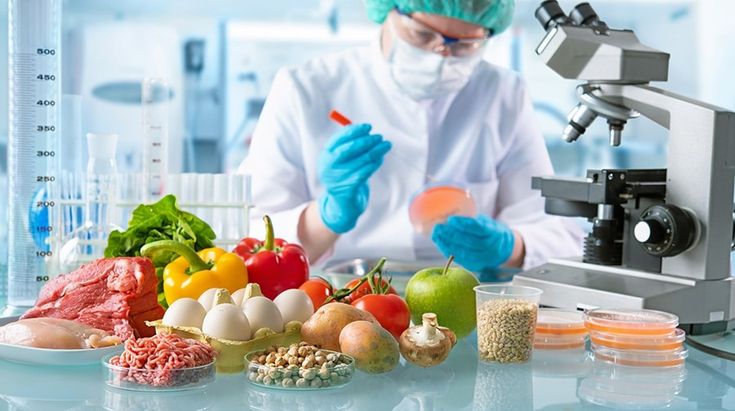
FOOD ANALYSIS

FOOD ANALYSIS TESTING

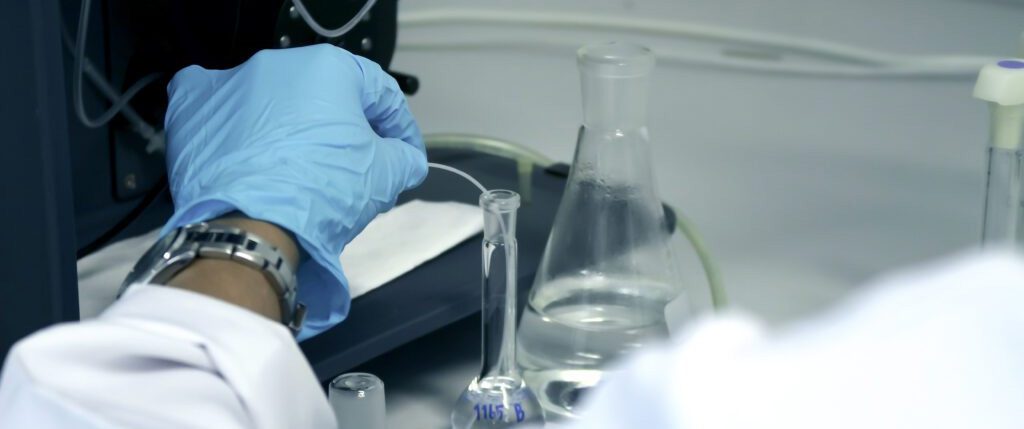
Food analysis testing involves evaluating the quality, safety, and composition of food products to ensure they meet regulatory standards and are safe for consumption. This testing examines various parameters such as nutritional content, chemical composition, microbial contamination, allergens, and the presence of toxins or adulterants. It is widely used in the food industry to maintain product quality, verify labeling claims, and protect public health.
Beverages

Beverages are drinks consumed for hydration, energy, or enjoyment, including water, juices, teas, coffees, and soft or alcoholic drinks.

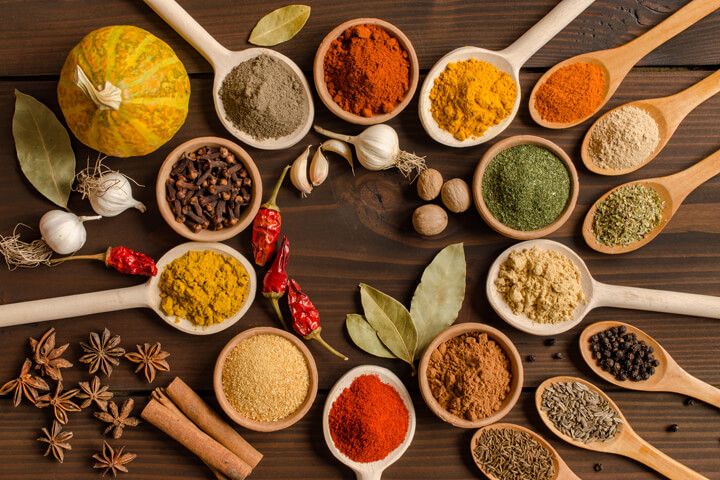
Spices

Spices are plant-based ingredients used to enhance food’s flavor, aroma, and color.

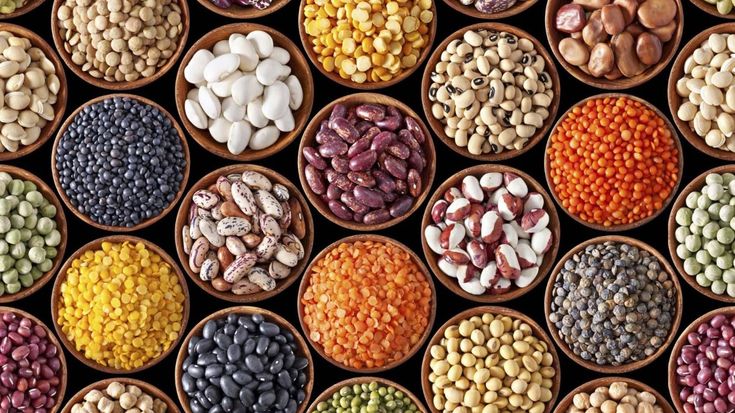
Cereals & Pulses

Cereals are energy-rich grains, and pulses are protein-rich legumes, both essential dietary staples.


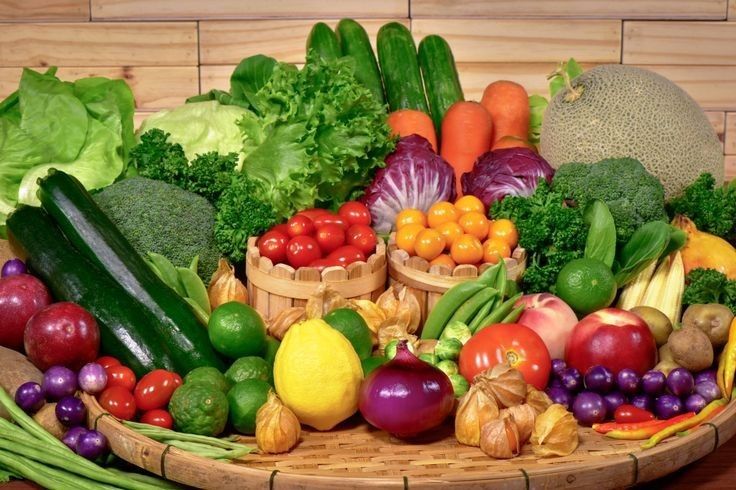
Vegetables & Fruits

Vegetables are nutritious plants, and fruits are sweet or sour, both essential for a healthy diet.

Metals analysis

Metals analysis tests materials for metal content to ensure safety and quality.

Pesticide analysis

Pesticide analysis detects pesticide residues in food, water, or soil to ensure safety and compliance with regulations.


Nutrition & Parameter analysis

Nutrition & Parameter analysis tests food for nutrients and key properties like pH and moisture.

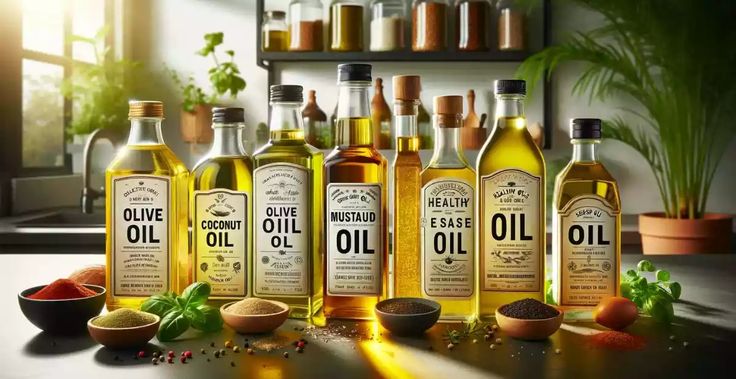
Oils & fats

Oils & fats provide energy and help absorb vitamins, with oils being liquid and fats solid at room temperature.

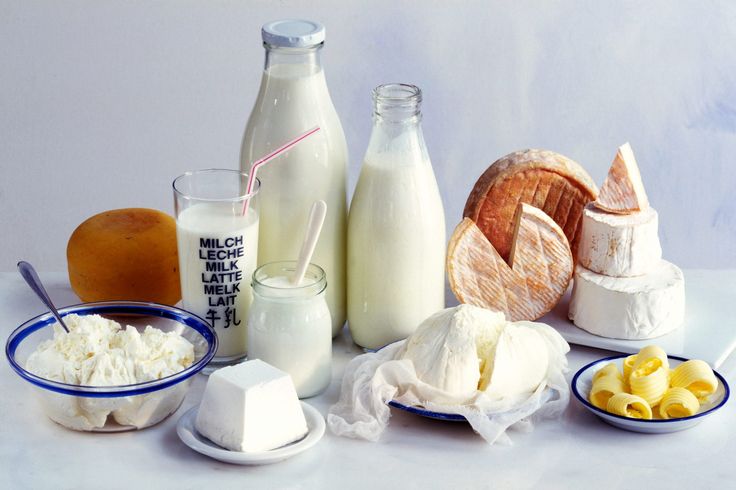
Milk & Milk products

Milk & milk products are dairy items rich in nutrients like calcium and protein.


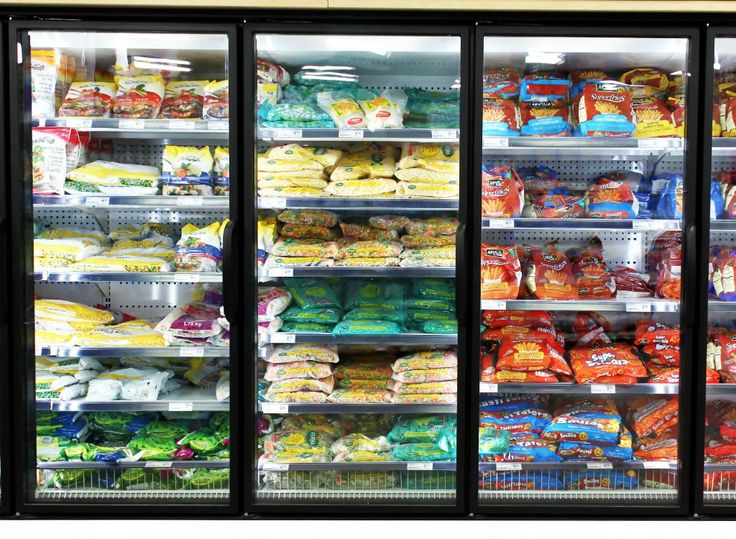
Frozen products

Frozen products are foods preserved by freezing to maintain freshness and nutrition.

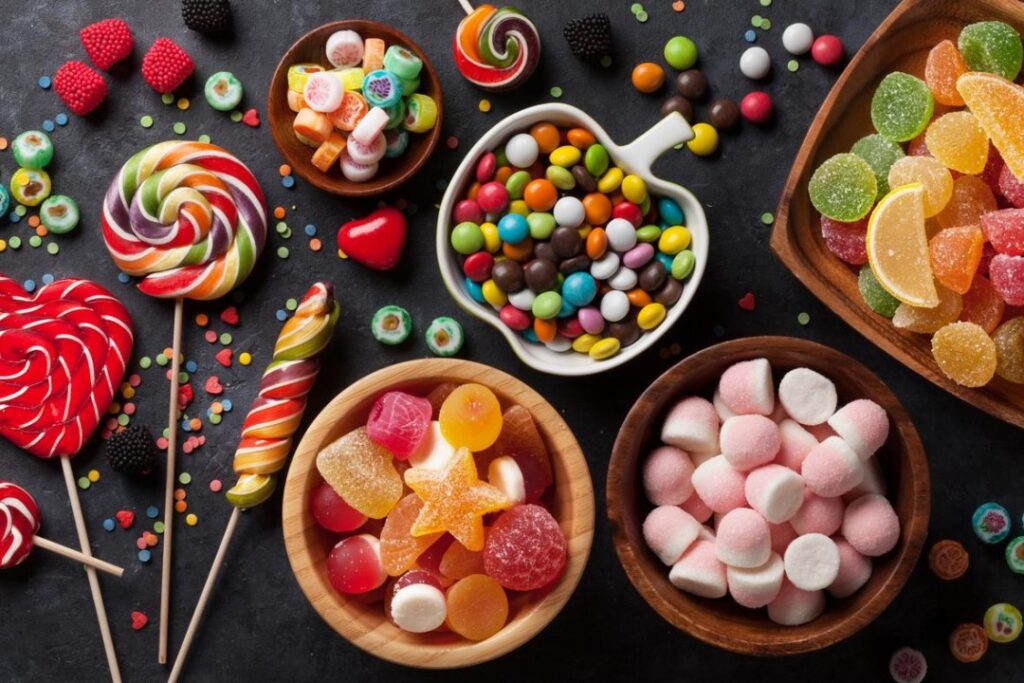
Sweets & Confectionery

Sweets & confectionery are sugary treats like candies, chocolates, and cakes.

Ready to cook

Ready-to-cook products are pre-prepared foods that need minimal preparation.


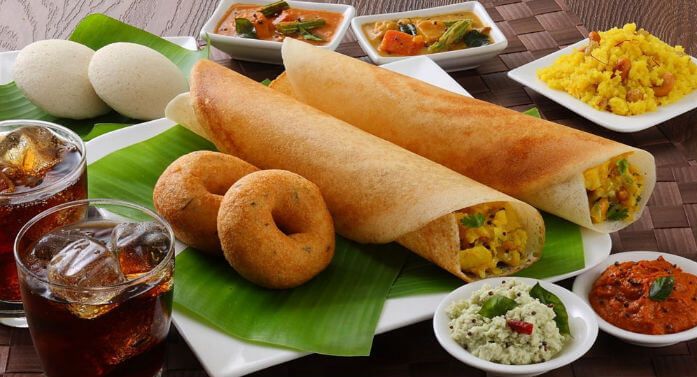
Ready to eat

Ready-to-eat products are fully prepared foods that need no cooking.